OrthoSquare Dental ClinicOrthoSquare
No 359, First Floor, Hebbal, Metagalli, Kumbara Koppal Main RoadLokanayaka Nagar, mysuru570016in07966247119
2504.9

OrthoSquare Dental Clinic, Lokanayaka Nagar, mysuru

Dental Clinic in Lokanayaka Nagar, Mysuru, Karnataka

No 359, First Floor, Hebbal, Metagalli, Kumbara Koppal Main Road, Nearby Surya Bekary Road, Lokanayaka Nagar, mysuru, karnataka - 570016

07966247119
250 Reviews (4.9)
★★★★★
★★★★★
Write a ReviewDriving Directions

Book an Appointment

Dental Services at Lokanayaka Nagar Clinic

View all
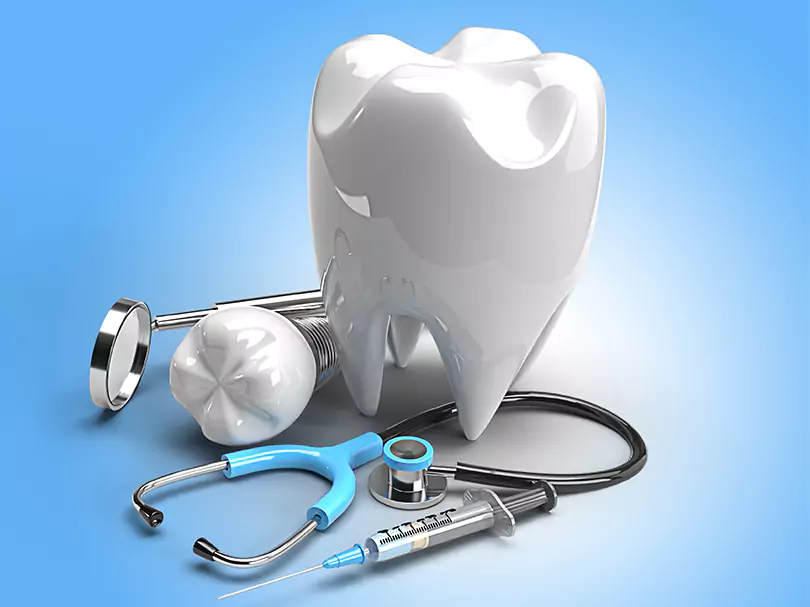
Dental Implants
d1b078b2-8597-4534-bdac-6de8f8509653Dental Implants
4.9250
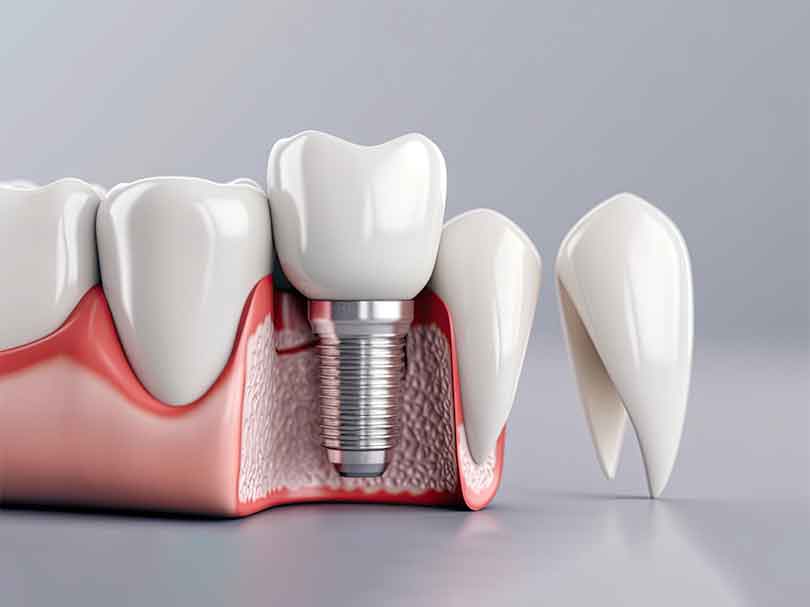
Dental implants are indeed the most popular and ideal solution for replacing your missing tooth/teeth.
Dental Implants

Dental Implants

Dental implants are indeed the most popular and id...
Fix0
Braces
03d63d01-017a-43e0-969b-857150c48952Braces
4.9250
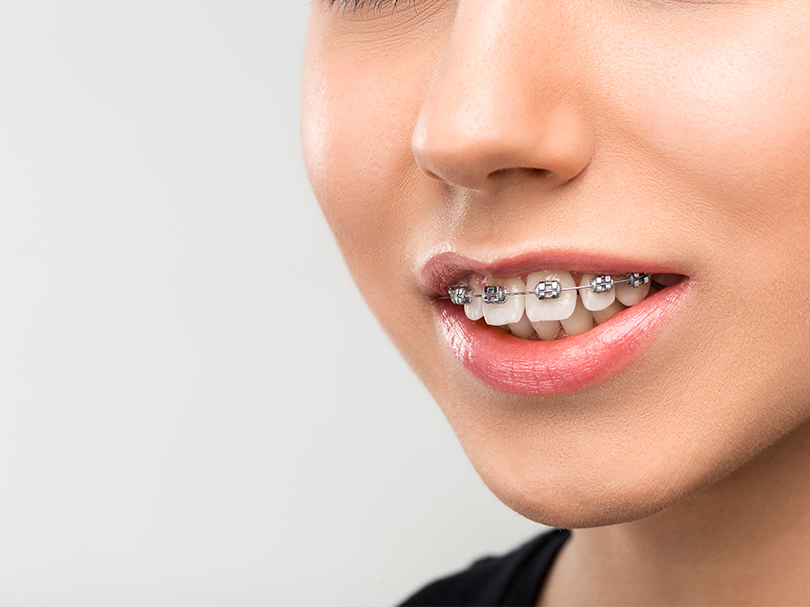
Orthodontic braces are appliances used to align or straighten the teeth.
Braces

Braces

Orthodontic braces are appliances used to align or...
Fix0
Invisible Aligner
e7a51a1c-9c0a-457e-ad71-0c200e4f287fInvisible Aligner
4.9250
Clear plastic aligners are custom-tailored approach design that’s just for you and the most convenient of all braces.
Invisible Aligner

Invisible Aligner

Clear plastic aligners are custom-tailored approac...
Fix0
Teeth Whitening
8aa11381-e44c-476f-9805-2b36047e3c9eTeeth Whitening
4.9250
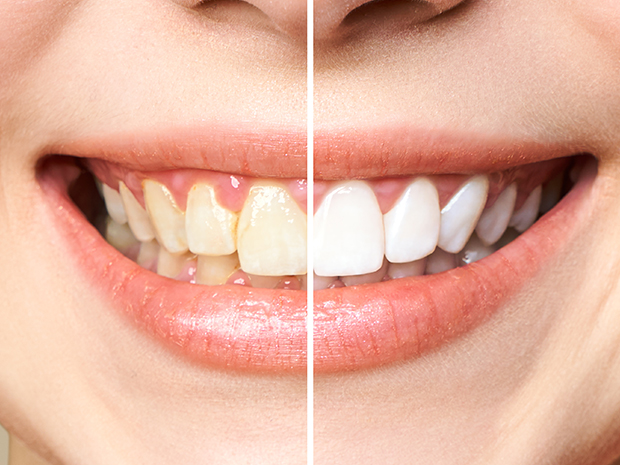
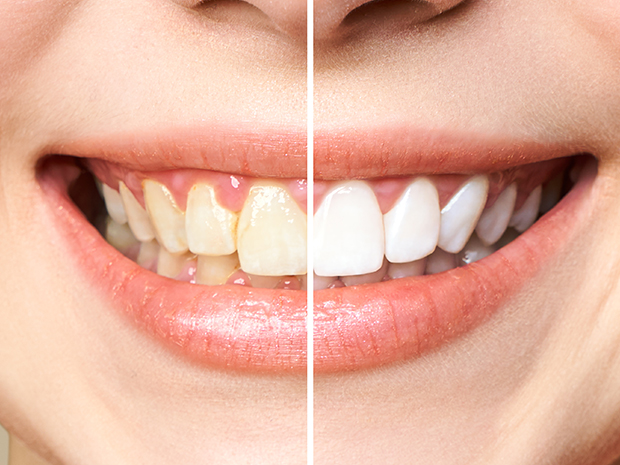
To smile is to invite sunshine into your life. You have the power of spreading this charming sunshine in everyone else’s lives as well.
Teeth Whitening

Teeth Whitening

To smile is to invite sunshine into your life. You...
Fix0
Crowns & Bridges
37360def-5856-4435-a81f-bde0d47e9ac8Crowns & Bridges
4.9250
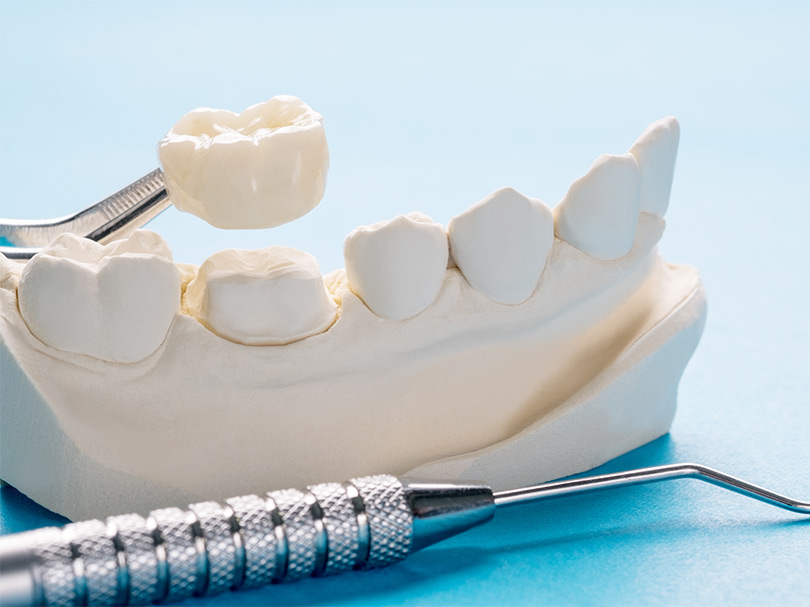
Dental Crowns are a tooth-shaped cap or crown placed on the tooth to restore the tooth’s shape, size, and appearance. Dental Bridges link the gap formed by one or more removed teeth.
Crowns & Bridges

Crowns & Bridges

Dental Crowns are a tooth-shaped cap or crown plac...
Fix0
Tooth Extraction
9e6519ef-ded0-45c9-b02b-72f95fe05ce0Tooth Extraction
4.9250
Wisdom teeth are also referred to as the third molars, but they often cause a problem during their eruption.
Tooth Extraction

Tooth Extraction

Wisdom teeth are also referred to as the third mol...
Fix0
Scaling & Root Planing
b6cf2538-f8c1-4166-9b59-b08f3f983ccbScaling & Root Planing
4.9250
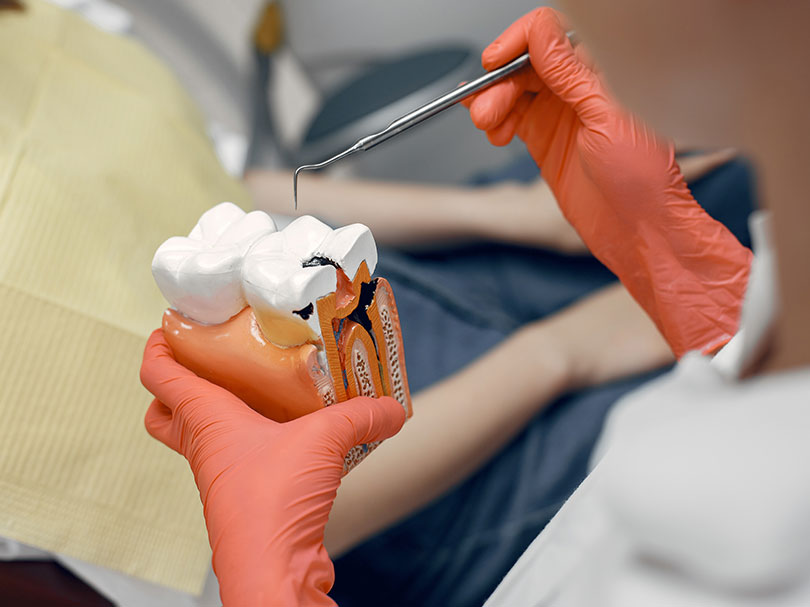
Scaling and root planing, also known as SRP is a non-surgical procedure performed by dentists to treat gum disease.
Scaling & Root Planing

Scaling & Root Planing

Scaling and root planing, also known as SRP is a n...
Fix0
Root Canal
494e3627-e3bb-431d-b1ec-d51ecc726f91Root Canal
4.9250
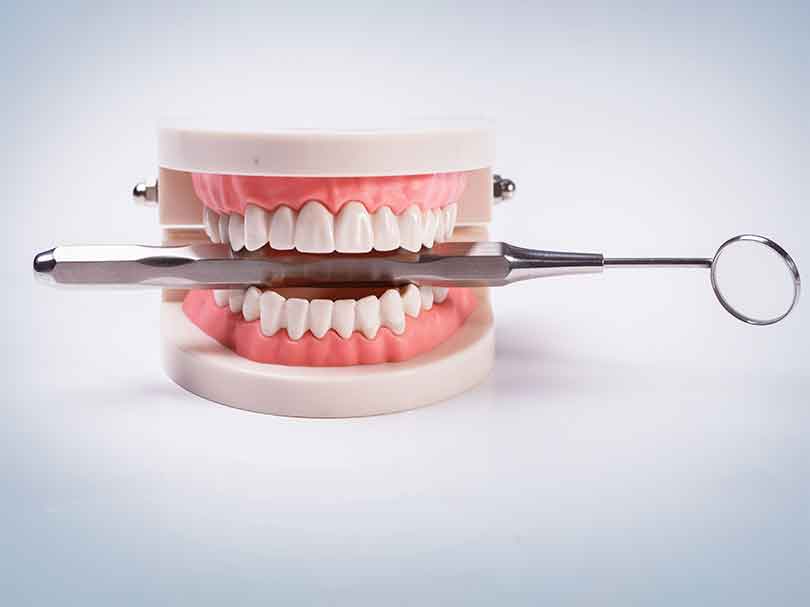
The soft inner part of the teeth, known as the pulp, may require a root canal procedure when it becomes injured or infected.
Root Canal

Root Canal

The soft inner part of the teeth, known as the pul...
Fix0
Dental Bonding
2c24ca00-d7f8-4e6d-b2f9-f05e56084f21Dental Bonding
4.9250
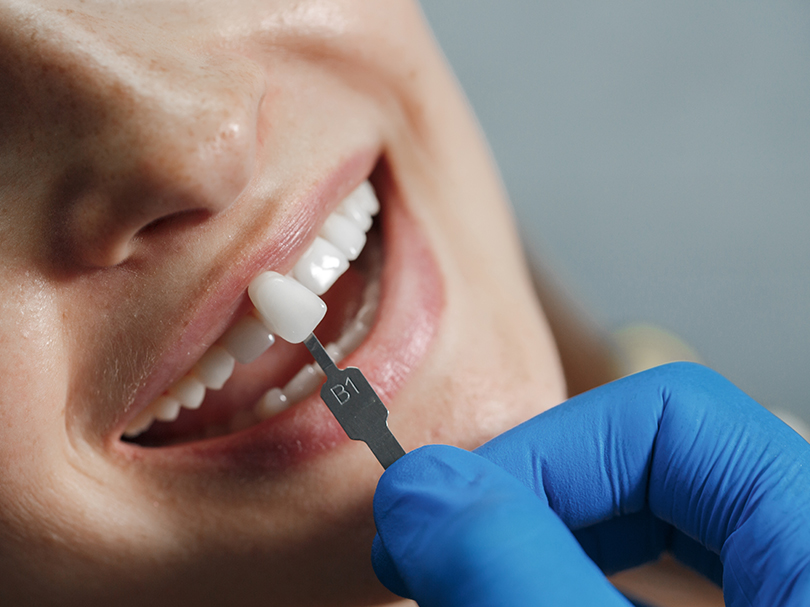
Dental bonding is a cosmetic procedure that uses a tooth-colored composite resin material to enhance your smile.
Dental Bonding

Dental Bonding

Dental bonding is a cosmetic procedure that uses a...
Fix0
Complete Dentures
e516f679-a3bc-497d-8121-1c06d34acf13Complete Dentures
4.9250
Complete dentures is the process of replacing all the natural teeth in either of the jaws.
Complete Dentures

Complete Dentures

Complete dentures is the process of replacing all ...
Fix0

Videos

View all

About OrthoSquare Dental Clinic

Orthosquare proudly stands 120+ clinics strong, delivering expert dental care across major cities, including Mumbai, Navi Mumbai, Pune, Nagpur, Gujarat, Bangalore, and Delhi. With a team of highly skilled professionals, state-of-the-art technology, and a commitment to patient comfort, we continue to redefine dental care, making healthy smiles accessible to all. At Orthosquare Dental Clinic, we prioritize long-term oral health with a focus on patient comfort. Our clinics provide a stress-free and relaxing environment, ensuring expert care with world-class facilities and internationally trained specialists. Whether it’s routine check-ups or advanced treatments, we are committed to delivering exceptional, personalized dental care at every step.

Frequently Asked Questions

Dentures offer several benefits for individuals experiencing tooth loss. One primary advantage is the restoration of aesthetics and the enhancement of a person's smile. Dentures are designed to closely resemble natural teeth, providing a cosmetic solution that boosts confidence and self-esteem. Additionally, dentures contribute to improved speech, helping individuals articulate words more clearly, especially when tooth loss has affected pronunciation. Functional benefits are another crucial aspect of dentures. They restore the ability to bite and chew, allowing for a more varied and nutritious diet. This, in turn, promotes overall health by ensuring individuals can consume a balanced range of foods. Dentures also support facial structure by providing necessary support to the cheeks and lips, preventing the sagging and sunken appearance that can occur with tooth loss. Moreover, they are a non-invasive and cost-effective option for replacing missing teeth, offering a practical solution for individuals seeking dental restoration without undergoing surgical procedures. It's important to note that while dentures offer numerous advantages, proper care and maintenance, along with regular dental check-ups, are essential to ensure their longevity and continued effectiveness. Regular dental visits allow for adjustments and modifications to address changes in the oral structure and maintain optimal comfort and functionality.
Complete or full dentures are removable dental appliances that serve as a replacement for missing natural teeth and the surrounding tissues. These prosthetic devices are designed to restore oral function, improve aesthetics, and provide support to the facial muscles. Full dentures are typically recommended for individuals who have lost all of their natural teeth, either in the upper (maxillary) or lower (mandibular) arch, or for those who require replacement of all teeth in both arches. The fabrication of complete dentures involves a detailed process. It begins with the dentist taking precise impressions of the patient's gums and any remaining teeth. These impressions help create a custom-fit base for the dentures. The denture base is made from acrylic or other materials that mimic the appearance of natural gum tissue. The artificial teeth, also made of various materials like acrylic or porcelain, are carefully positioned on the base to recreate a natural-looking smile. Complete dentures rely on the support of the underlying gum tissue and the suction created between the denture and the gums for stability. While they may take some time for the wearer to adjust to, complete dentures are a functional and aesthetic solution for individuals missing all of their teeth.
The duration of the dental bonding procedure can vary depending on the extent of the cosmetic work being performed. In general, dental bonding is a relatively quick and efficient process that can often be completed in a single dental appointment. The procedure typically takes between 30 minutes to an hour per tooth, making it a convenient option for individuals seeking immediate cosmetic improvements. Unlike more extensive treatments like root canal therapy or the placement of crowns and bridges, dental bonding involves minimal preparation and can often be accomplished without the need for anaesthesia. The efficiency of the procedure contributes to its popularity, allowing individuals to achieve noticeable enhancements to their smile in a short amount of time. Choosing the best dental clinic in Hyderabad is crucial for a seamless dental bonding experience. Experienced and skilled dentists in the best dental clinic in Hyderabad can efficiently assess the cosmetic issues, tailor the bonding procedure to the patient's unique needs, and provide personalised recommendations. Additionally, the best dental clinic in Hyderabad may utilise advanced techniques and materials to ensure the durability and aesthetic success of the bonding. Patients can consult with professionals at the best dental clinic in Hyderabad to discuss their cosmetic goals, explore the potential of dental bonding, and determine the most suitable approach for achieving the desired improvements to their smile.

Dental bonding is a cosmetic dentistry procedure that involves the application of a tooth-coloured resin material to improve the appearance of teeth. This technique is commonly used to address various aesthetic concerns such as chipped, cracked, or discoloured teeth, as well as to close small gaps between teeth. During the dental bonding process, the dentist prepares the tooth surface by roughening it and applying a conditioning liquid to enhance the bond between the tooth and the resin material. The dentist then moulds and shapes the resin onto the tooth, using a special light to harden and bond the material to the tooth's structure. Once the bonding is complete, the dentist further refines and polishes the resin to achieve a natural and seamless look that blends with the surrounding teeth. Dental bonding is a versatile and minimally invasive solution that can enhance the appearance of teeth without the need for more extensive procedures like braces or tooth extraction. One of the advantages of dental bonding is its relatively quick and straightforward nature. The entire process can often be completed in a single dental visit, making it a convenient option for individuals seeking immediate cosmetic improvements. Dental bonding is an effective solution for minor cosmetic issues, but its durability may not match that of more robust restorative options like dental crowns or bridges. Patients considering dental bonding may consult with their dentist to determine if it aligns with their aesthetic goals and overall oral health needs. This cosmetic procedure can be part of a broader treatment plan that may include other interventions such as teeth whitening, scaling and root planing, or the placement of complete dentures, depending on the individual's unique dental requirements.
The duration of a teeth scaling procedure can vary depending on several factors, including the extent of tartar buildup, the number of teeth involved, and the individual's oral health. On average, a routine teeth scaling appointment typically takes about 30 to 45 minutes. However, if there is a considerable amount of tartar or if additional dental issues are addressed simultaneously, the procedure may take longer. Dental professionals, including hygienists and dentists, work efficiently to ensure a thorough and effective scaling process while considering the patient's comfort. Teeth scaling is an integral part of preventive dental care and plays a crucial role in maintaining oral health. It is recommended that individuals undergo teeth scaling at least twice a year as part of their routine dental check-ups. Regular scaling appointments contribute to the prevention of various dental problems, including gum disease, cavities, and bad breath. Additionally, maintaining a consistent scaling schedule supports other dental interventions such as braces, teeth whitening, root canal therapy, complete dentures, dental bonding, tooth extraction, and the placement of crowns and bridges, ensuring a comprehensive approach to oral care.
Teeth scaling is a dental procedure aimed at removing the accumulated plaque and tartar from the surfaces of the teeth and along the gumline. Plaque is a soft, sticky film containing bacteria that forms on teeth and can lead to cavities and gum disease if not adequately removed through regular oral hygiene practices. When plaque hardens into tartar or calculus, it cannot be removed by regular brushing and flossing alone. Scaling is typically performed by a dental hygienist using specialised instruments to scrape away these deposits, providing a thorough cleaning of the teeth and promoting better oral health. The procedure is a crucial component of preventive dental care, helping to prevent and manage various oral health issues. In addition to maintaining healthy teeth and gums, teeth scaling can contribute to overall aesthetic improvements. For individuals seeking cosmetic enhancements, teeth scaling can serve as a foundation for subsequent treatments like braces, teeth whitening, or dental bonding. It creates a clean and healthy oral environment, optimising the success and longevity of other dental procedures such as root canal treatments, tooth extractions, or the placement of crowns and bridges. Regular dental check-ups often include scaling and root planning as part of a comprehensive approach to oral care, ensuring the ongoing health and well-being of the patient's smile.
Wisdom tooth extraction is a common dental procedure often necessitated by various factors. One primary reason is the potential for impaction. Wisdom teeth, also known as third molars, typically emerge in late adolescence or early adulthood. Due to limited space in the jaw, these teeth may not have enough room to fully erupt, leading to impaction. Impacted wisdom teeth can cause pain, swelling, and pose a risk of infection. Dentists often recommend their extraction to alleviate discomfort and prevent potential damage to surrounding teeth, facilitating overall oral health. The decision for wisdom tooth extraction may be part of a broader dental plan that considers treatments such as braces, teeth whitening, or the placement of crown and bridges. Another common reason for wisdom tooth extraction is their misalignment or angulation. Wisdom teeth may grow at awkward angles, causing them to press against adjacent teeth or the jawbone. This misalignment can lead to crowding, shifting of neighbouring teeth, and potential damage to existing dental work like crowns and bridges. To mitigate these issues and ensure the proper alignment of teeth, dentists may recommend the extraction of wisdom teeth. By addressing these common concerns, wisdom tooth extraction contributes to maintaining optimal oral health and aligns with comprehensive dental care plans that address a range of dental needs, from scaling and root planing to dental bonding.
Tooth extraction is a dental procedure in which a tooth is removed from its socket in the jawbone. This procedure is typically performed when a tooth is severely damaged due to decay, trauma, or infection, and other dental treatments like root canal therapy or dental bonding are not viable options. Additionally, tooth extraction may be necessary for addressing issues such as overcrowding in the mouth, preparation for orthodontic treatments like braces, or the extraction of wisdom teeth. The best dental clinic in Nagpur will conduct a thorough examination and consider various factors before recommending tooth extraction as part of a comprehensive oral health plan that may involve treatments like scaling and root planning, teeth whitening, or the placement of crown and bridges. The process of tooth extraction begins with a detailed assessment of the patient's dental and medical history, followed by X-rays to determine the tooth's condition and position in the jaw. Local anesthesia is commonly administered to numb the area around the tooth, ensuring a pain-free experience during the extraction. The dentist then uses specialized instruments to carefully loosen and remove the tooth from its socket. Post-extraction, patients may receive instructions for aftercare, including recommendations for pain management and oral hygiene practices. Tooth extraction is a common dental procedure performed by skilled professionals at the best dental clinic in Nagpur, ensuring the comfort and well-being of the patient throughout the process. After tooth extraction, there are various options for tooth replacement, such as dental implants, bridges, or complete dentures, depending on the patient's needs and preferences. The decision on tooth replacement may be part of a broader treatment plan that considers cosmetic dentistry options like teeth whitening or orthodontic interventions like braces. Regular follow-up appointments with the dentist at the best dental clinic in Nagpur are essential for monitoring healing and addressing any concerns that may arise after the extraction, contributing to the overall success of the dental procedure and the patient's ongoing oral health.
After completing the root canal procedure, it is common to experience some mild discomfort or soreness for a few days. This discomfort is usually manageable with over-the-counter pain medications and should gradually subside as the healing process progresses. The pain experienced after a root canal is often associated with the inflammation of the surrounding tissues during the procedure and the natural response of the body to the treatment. Dental professionals may provide specific post-procedure care instructions to help alleviate any discomfort and promote a smooth recovery. It's important to note that the intense pain or sensitivity that led to the need for a root canal is expected to diminish after the procedure. The root canal aims to eliminate the source of infection or inflammation within the tooth, providing relief from the initial symptoms. Patients are advised to follow any post-operative instructions provided by their dentist, such as avoiding certain foods or activities, to support the healing process. Integrating root canal therapy with other dental treatments, such as braces, teeth whitening, or the placement of crowns and bridges, allows for a comprehensive approach to address various dental concerns and enhance both oral health and aesthetics. Regular follow-up appointments with dental professionals at reputable clinics are essential to monitor the healing progress and ensure the overall success of the root canal treatment.
A root canal is a dental procedure designed to address issues within the pulp chamber of a tooth, which contains the nerves and blood vessels. When the pulp becomes infected or inflamed due to deep decay, a crack, or trauma, a root canal is performed to remove the damaged or infected pulp, clean the root canals, and seal them to prevent further infection. The procedure involves accessing the pulp chamber through the crown of the tooth, removing the affected tissue, and thoroughly cleaning and disinfecting the root canals. After cleaning, the canals are filled with a biocompatible material, and the tooth is typically restored with a crown to provide strength and protect it from further damage. Root canals are essential in preserving a tooth that would otherwise need extraction, allowing patients to maintain natural dentition and function. Root canal therapy is often recommended when there is severe tooth pain, sensitivity to hot or cold, swelling, or an abscess, indicating infection or inflammation within the pulp. While the term "root canal" may evoke concerns, advances in dental techniques and technology have made the procedure relatively straightforward and comfortable for patients. Dental professionals at reputable clinics may recommend root canal therapy as part of a comprehensive treatment plan, which may include other procedures like teeth whitening, dental bonding, or the placement of crowns and bridges, ensuring optimal oral health and a harmonious smile. Regular dental check-ups are crucial for detecting issues early and determining the most appropriate interventions to preserve natural teeth and maintain overall dental well-being.

Dental crowns are placed for a variety of reasons, primarily focusing on the restoration of compromised teeth. When a tooth undergoes significant decay or damage that surpasses what a dental filling can effectively address, a crown becomes necessary. The crown acts as a protective cap, encasing the entire visible portion of the tooth above the gumline, providing strength and durability. Following procedures like root canal therapy, where the inner pulp of a tooth is removed, a crown is often placed to safeguard the treated tooth, preventing fractures and maintaining its structural integrity. Moreover, dental crowns are integral components of comprehensive dental solutions, complementing treatments such as braces, teeth whitening, and dental bonding for a comprehensive approach to oral health. In cases where a tooth is weakened due to structural issues or extensive decay, a crown is employed to prevent further deterioration and potential tooth loss. Crowns are particularly crucial post-tooth extraction, ensuring the restoration of functionality and aesthetics. The placement of crowns following tooth extraction is often a key element in preserving proper bite alignment and preventing neighbouring teeth from shifting. Additionally, dental crowns offer support to individuals undergoing orthodontic treatments like braces, contributing to the overall success of realignment by providing additional strength to the teeth. Dental crowns also play a significant role in the creation of fixed dental prosthetics such as bridges. When replacing missing teeth with a bridge, crowns are attached to the adjacent natural teeth, serving as anchors for the artificial tooth or pontic. This application showcases the versatility of dental crowns as they seamlessly integrate into various dental procedures, whether as standalone treatments or part of a comprehensive plan that may include scaling and root planing, complete dentures, or dental bonding. Overall, the placement of dental crowns is a crucial aspect of modern dentistry, contributing to both the functional restoration and aesthetic enhancement of a patient's smile.
A dental crown is a restorative dental treatment that involves placing a cap or covering over a damaged or weakened tooth. This procedure is commonly utilised to address a variety of dental issues, such as decay, fractures, or structural damage that cannot be adequately resolved with simpler dental interventions. The crown, typically made from materials like porcelain, metal alloys, or a combination of both, encases the entire visible portion of the tooth above the gumline, providing strength, protection, and an aesthetically pleasing appearance. Dental crowns are versatile and can be employed in conjunction with other dental treatments like braces, teeth whitening, or dental bonding to enhance overall oral health and appearance. In certain instances, dental crowns play a crucial role in supporting other dental procedures. For example, after a root canal, where the infected pulp of a tooth is removed, a crown is often placed over the treated tooth to restore its strength and functionality. Additionally, dental crowns are integral components of fixed dental prosthetics like bridges, which are used to replace missing teeth. Whether as a standalone treatment or part of a comprehensive dental strategy that may include scaling and root planing, complete dentures, or tooth extraction, dental crowns contribute significantly to the restoration and preservation of dental health. The need for dental crowns can arise from various dental conditions, necessitating their integration into a comprehensive oral care plan. Patients with severely damaged or weakened teeth may require crowns to prevent further deterioration and maintain proper oral function. In cases of advanced decay or structural compromise, tooth extraction may become unavoidable, and dental crowns play a pivotal role in restoring the functionality and aesthetics of the smile post-extraction. Furthermore, crowns are often recommended to individuals undergoing orthodontic treatments like braces, providing additional support and protection to the teeth during the realignment process. Overall, whether addressing dental concerns independently or as part of broader treatments like scaling and root planing, dental crowns serve as integral components in promoting oral health and well-being.
Teeth bleaching, a common method of teeth whitening, offers several advantages that contribute to an enhanced smile and improved overall oral aesthetics. One primary benefit is the significant reduction of stains and discoloration on the tooth enamel. The bleaching agents used in the process effectively break down both intrinsic and extrinsic stains, resulting in teeth that are visibly whiter and brighter. This can boost self-confidence and contribute to a more youthful appearance, making teeth bleaching a popular choice for individuals seeking a non-invasive and relatively quick solution to dental discoloration. Another advantage of teeth bleaching is its versatility and adaptability to individual preferences. Dental professionals at the best dental clinic in Chennai can tailor the bleaching process to meet specific needs, ensuring a customised approach for each patient. Whether performed in-office or using at-home kits prescribed by dentists, teeth bleaching provides a flexible and accessible solution for achieving a more aesthetically pleasing smile. Additionally, when integrated into a comprehensive cosmetic dentistry plan, such as combining teeth bleaching with treatments like braces, dental bonding, or the placement of crowns and bridges, individuals can achieve a harmonious and radiant smile that aligns with their unique dental goals and preferences.
Teeth whitening is a cosmetic dental procedure aimed at lightening the colour of teeth and enhancing their overall appearance. It is a popular and non-invasive treatment designed to address tooth discoloration caused by various factors such as age, consumption of certain foods and beverages, tobacco use, and stains from medications. The process typically involves the application of a whitening agent, usually containing hydrogen peroxide or carbamide peroxide, onto the tooth surfaces. This agent breaks down stains and discolorations, leading to a brighter and whiter smile. Teeth whitening can be performed in-office by dental professionals at the best dental clinic in Pune, providing immediate and noticeable results. Alternatively, at-home teeth whitening kits prescribed by dentists may also be used, offering a more gradual improvement in tooth colour. While teeth whitening effectively removes extrinsic stains on the enamel, it may not address intrinsic discoloration or certain types of tooth damage. Individuals seeking teeth whitening treatments should consult with dental professionals at the best dental clinic in Pune to determine the most suitable approach based on their specific needs and preferences. It is essential to follow post-whitening care instructions provided by the dentist to maintain the results and ensure long-lasting benefits. Additionally, individuals with orthodontic concerns, such as misaligned teeth, may explore a combination of teeth whitening with other treatments like braces, dental bonding, or the placement of crowns and bridges for a comprehensive approach to achieving a brighter, straighter, and aesthetically pleasing smile.
The suitability of teeth aligners is not universal, and it depends on various factors unique to each individual. While invisible aligners are a popular option for many, they may not be suitable for complex orthodontic issues or severe misalignments. Traditional braces, with their ability to provide precise control over tooth movement, may be recommended for more challenging cases. Consulting with a qualified orthodontic professional is crucial to assess whether aligners are a viable option based on the specific needs and conditions of the patient. In many cases, invisible aligners are suitable for a wide range of orthodontic concerns, including overcrowding, spacing issues, and mild to moderate misalignments. However, the effectiveness of aligners also relies on the commitment of the patient to follow the prescribed treatment plan, including wearing the aligners for the recommended duration and maintaining proper oral hygiene. Dental professionals may integrate aligners into a comprehensive treatment plan, addressing additional concerns such as teeth whitening, scaling and root planing, or the need for specific procedures like root canals, tooth extractions, dental bonding, crown and bridges, or the use of complete dentures. Ultimately, the decision to use teeth aligners is based on a thorough evaluation by a qualified orthodontic professional. Factors such as the patient's oral health, the complexity of their orthodontic issues, and their commitment to treatment guidelines all play a role in determining the most suitable approach. Whether opting for aligners or traditional braces, the goal is to achieve a straighter, healthier smile while considering the overall well-being of the patient's oral health